How to use a generator safely at home?
2022-09-30
How to use a generator safely at home?
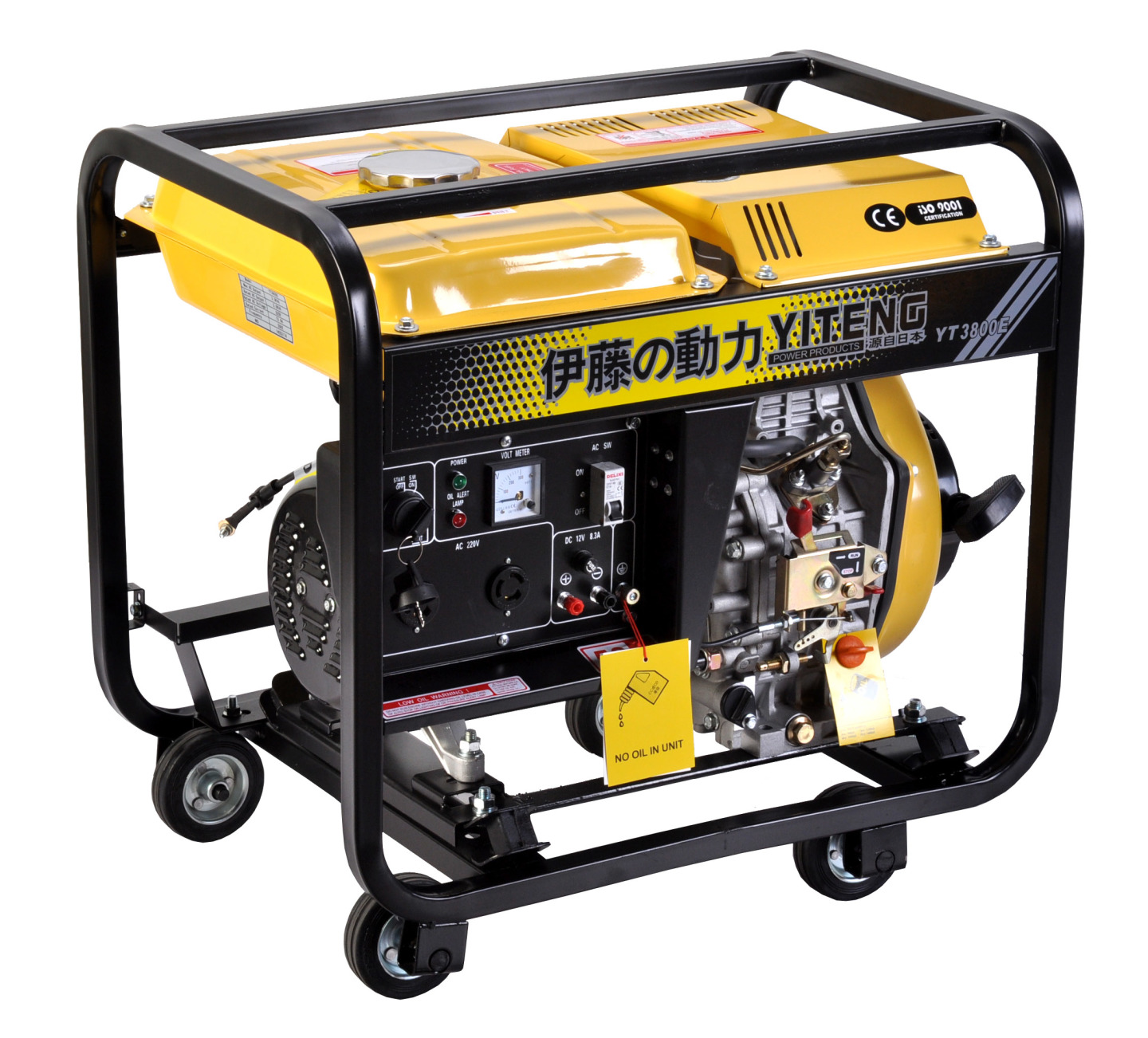
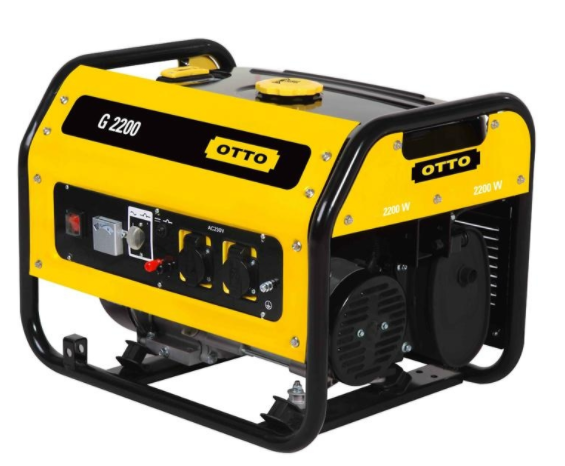
There are a lot of people do not know exactly how big they are suitable for generators, suitable for what kind of generators, different gasoline, diesel generators it's voltage and power, fuel consumption and noise are not the same. General home users, if only with some TV and lighting and air conditioning, commonly used household appliances, washing machines, induction cookers, rice cookers, fish tank oxygen pumps and so on.
Then the most suitable is to buy a general small gasoline generator, its power is generally sufficient in 5KW. The 5KW generator can be equipped with general 1.5P air conditioner, fan, rice cooker, TV, refrigerator and other necessary household appliances.During power outages, generators help, but also pose serious health and safety concerns.
Be Aware of Hazards
1.Carbon monoxide poisoning
2.Fire
3.Electrocution
Safety Tips
Before using the generator, be sure to read the manufacturer’s instructions on how to use the generator.
1.Carbon monoxide poisoning
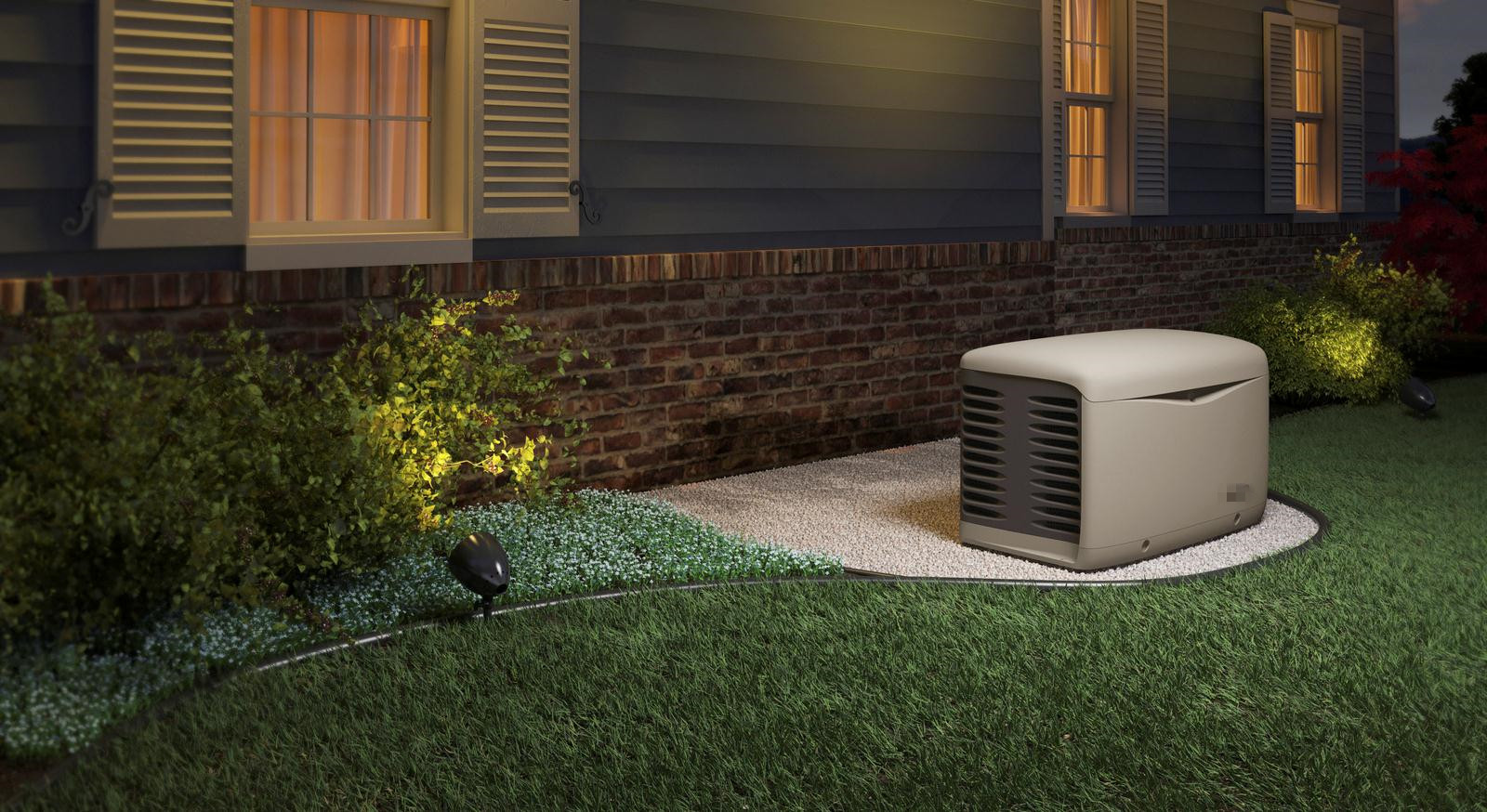
Do not assume that you are safe. Carbon monoxide from generators is completely colorless and odorless, so you won’t know if it’s there. It could kill your family and your pets.Do not use a generator indoors or in partially enclosed spaces- including homes, garages, and crawl spaces - even those areas with partial ventilation.Do not operate near open doors and windows. Using fans will not prevent carbon monoxide build-up in the home.Install battery-powered carbon monoxide alarms inside your home to alert you of dangerous levels. Be sure to follow the manufacturer's recommended placement.
2.Electrocution or electric shock
Always connect the generator to appliances with heavy-duty extension cords.Hooking up your generator directly into your home power supply could increase the voltage or could cause a surge to the outside power lines and potentially injure or electrocute an unaware utility lineman. It also bypasses some of the built-in household circuit protection devices. Connecting the generator to your home could cause a surge in electricity that might result in injury or death to yourself or your family.Use a qualified electrician to install the appropriate equipment in accordance with local electrical codes or ask your utility company to install an appropriate power transfer switch.
3.Fire
Keep your generator outside and fuel your generator outside.Do not store fuel for your generator in your house. Gasoline, propane, kerosene, diesel and other flammable liquids should be stored outside living areas in properly labeled, non-glass safety containers.Do not store fuel near a fuel-burning appliance, for example a gas stove.If the fuel is spilled or the container is not sealed properly, invisible vapors from the fuel can travel along the ground and be ignited by the appliance's pilot light or by arcs from electric switches.Before refueling the generator, turn it off and let it cool down. Gasoline or other flammable liquids spilled on hot engine parts could ignite, and invisible vapors from the fuel can travel along the ground and be ignited by the generator's pilot light or by arcs from electric switches in the appliance.
There are a lot of people do not know exactly how big they are suitable for generators, suitable for what kind of generators, different gasoline, diesel generators it's voltage and power, fuel consumption and noise are not the same. General home users, if only with some TV and lighting and air conditioning, commonly used household appliances, washing machines, induction cookers, rice cookers, fish tank oxygen pumps and so on.
Then the most suitable is to buy a general small gasoline generator, its power is generally sufficient in 5KW. The 5KW generator can be equipped with general 1.5P air conditioner, fan, rice cooker, TV, refrigerator and other necessary household appliances.During power outages, generators help, but also pose serious health and safety concerns.
Be Aware of Hazards
1.Carbon monoxide poisoning
2.Fire
3.Electrocution
Safety Tips
Before using the generator, be sure to read the manufacturer’s instructions on how to use the generator.
1.Carbon monoxide poisoning
Do not assume that you are safe. Carbon monoxide from generators is completely colorless and odorless, so you won’t know if it’s there. It could kill your family and your pets.Do not use a generator indoors or in partially enclosed spaces- including homes, garages, and crawl spaces - even those areas with partial ventilation.Do not operate near open doors and windows. Using fans will not prevent carbon monoxide build-up in the home.Install battery-powered carbon monoxide alarms inside your home to alert you of dangerous levels. Be sure to follow the manufacturer's recommended placement.
2.Electrocution or electric shock
Always connect the generator to appliances with heavy-duty extension cords.Hooking up your generator directly into your home power supply could increase the voltage or could cause a surge to the outside power lines and potentially injure or electrocute an unaware utility lineman. It also bypasses some of the built-in household circuit protection devices. Connecting the generator to your home could cause a surge in electricity that might result in injury or death to yourself or your family.Use a qualified electrician to install the appropriate equipment in accordance with local electrical codes or ask your utility company to install an appropriate power transfer switch.
3.Fire
Keep your generator outside and fuel your generator outside.Do not store fuel for your generator in your house. Gasoline, propane, kerosene, diesel and other flammable liquids should be stored outside living areas in properly labeled, non-glass safety containers.Do not store fuel near a fuel-burning appliance, for example a gas stove.If the fuel is spilled or the container is not sealed properly, invisible vapors from the fuel can travel along the ground and be ignited by the appliance's pilot light or by arcs from electric switches.Before refueling the generator, turn it off and let it cool down. Gasoline or other flammable liquids spilled on hot engine parts could ignite, and invisible vapors from the fuel can travel along the ground and be ignited by the generator's pilot light or by arcs from electric switches in the appliance.
Power Wizard Control Panel
What is Automatic transfer Switching equipment?